DÚVIDAS
HOW TO PROVE A CAR ACCIDENT WAS NOT YOUR FAULT
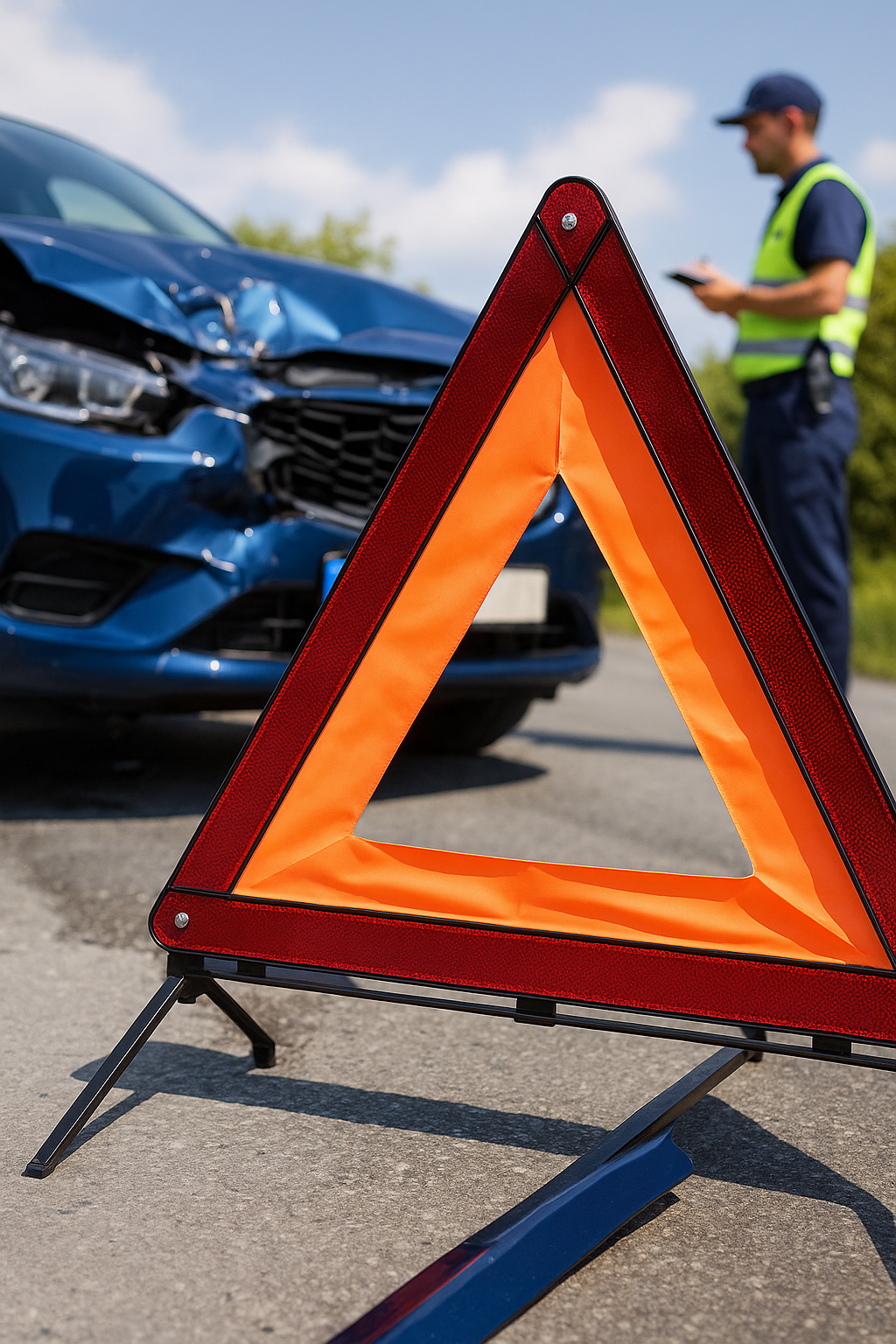
After a car accident, prioritise safety and gather strong evidence to support your claim. Important information includes: contact and insurance details of all drivers, vehicle registrations, road and weather conditions, witness statements, photos/videos of the scene, and a clear account of what happened.
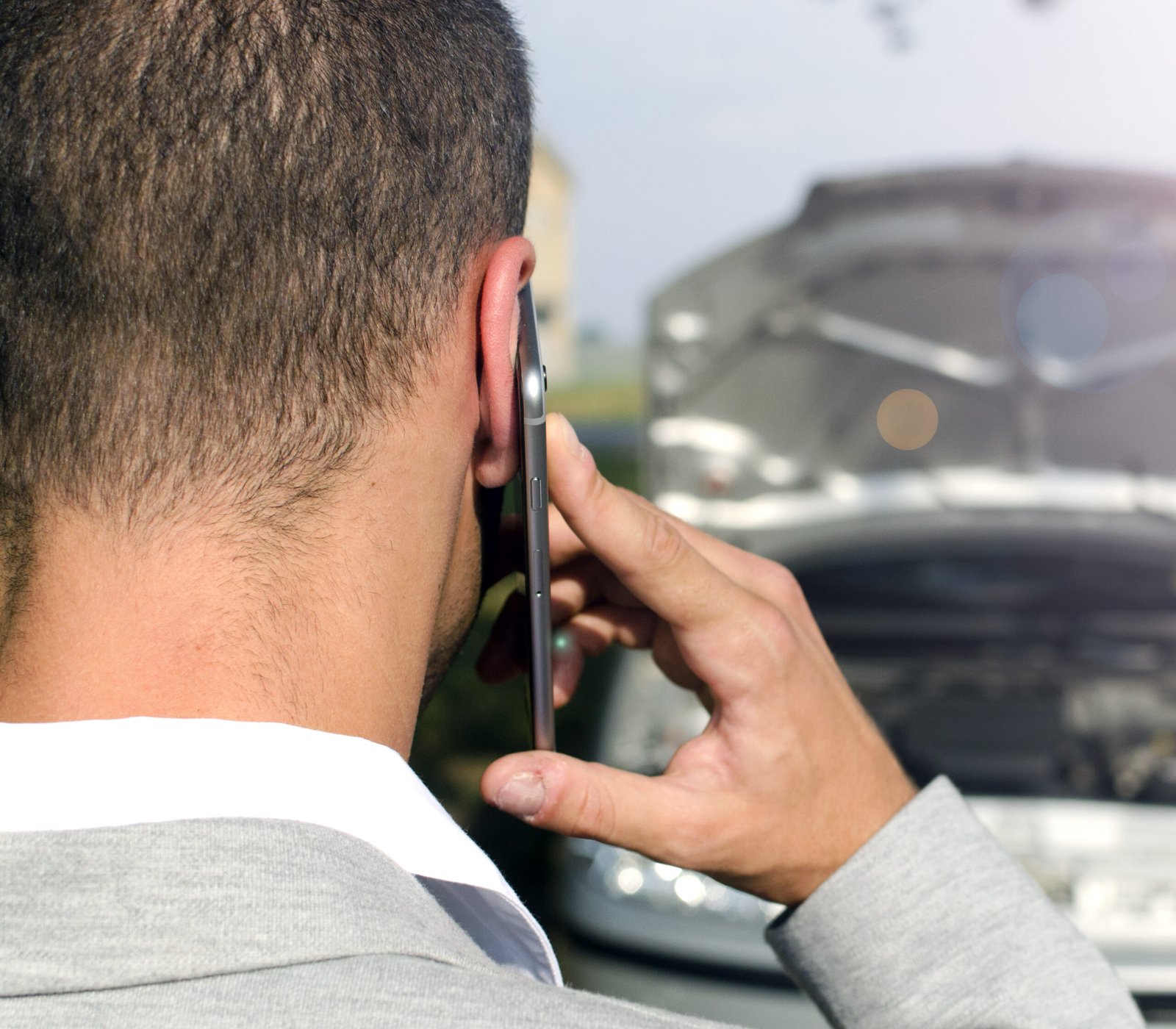
Avoid contacting your insurer straight away, as it could affect your policy or premiums—even if you weren’t at fault. Instead, consider using a Non-Fault Accident Management Company, which offers expert support, arranges repairs and replacement vehicles, and manages the claim without impacting your insurance.
Every case is different, but with the right evidence and guidance from the start, you’ll improve your chances of proving you were not at fault.
FREQUENTLY ASKED QUESTIONS
THE IMPORTANCE OF PROVING A CAR ACCIDENT WAS NOT YOUR FAULT
Car accidents are common and stressful—especially when you weren’t at fault. Proving this is crucial to avoid financial loss and protect your no-claims bonus. However, proving liability isn’t always straightforward due to complex circumstances or disputes from the other driver or their insurer.
To strengthen your case, it’s essential to understand what happened, gather the right evidence, and act quickly after the incident.
Auto Claims Assist offers expert support in non-fault claims, handling everything directly with the at-fault driver’s insurer. This allows you to:
- Avoid paying your excess
- Prevent premium increases
- Keep your no-claims bonus intact
If you’ve recently had an accident and need help proving you weren’t at fault, contact a non-fault claim specialist for clear advice and support.
FREQUENTLY ASKED QUESTIONS
COMMON CAR ACCIDENTS: SIDE-IMPACT COLLISIONS
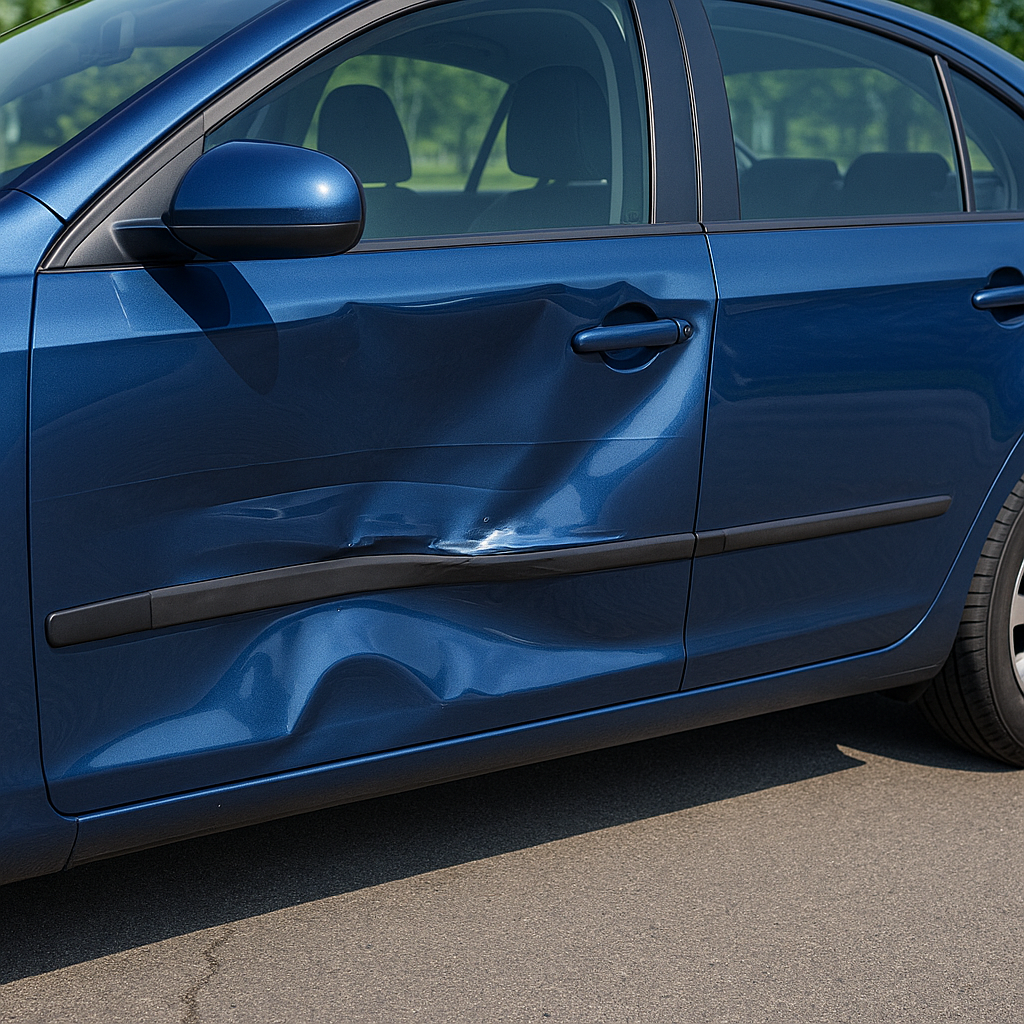
Side-impact collisions are both common and dangerous, often causing serious injuries—especially for passengers on the impacted side. These accidents usually involve significant force and occur when a vehicle is struck from the side.
TYPES OF SIDE-IMPACT COLLISIONS:
Sideswipes: Happen when two vehicles travelling in the same direction make side contact, often due to unsafe lane changes.
T-bone Collisions: Occur when one vehicle crashes head-on into the side of another, typically at junctions—often caused by red light violations, failure to give way, or unsafe turns.
Determining Fault:
If the other driver failed to give way, ran a red light, or cut across your path, you are likely not at fault. However, liability depends on solid evidence, so gathering detailed information at the scene is essential.
Next Steps:
To protect your position and get expert help, contact Neway Claims Assist for advice on how to proceed with your claim.
FREQUENTLY ASKED QUESTIONS
COMMON CAR ACCIDENTS: HEAD-ON COLLISIONS
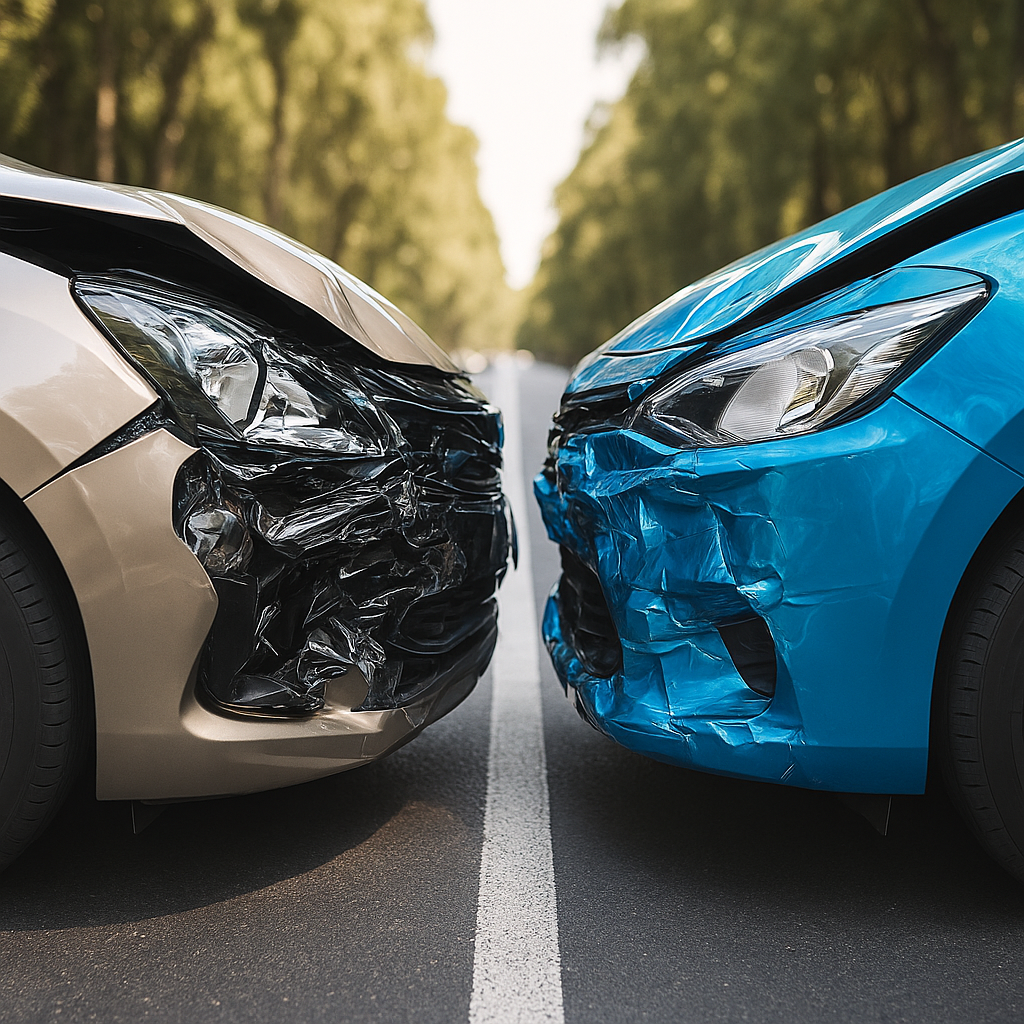
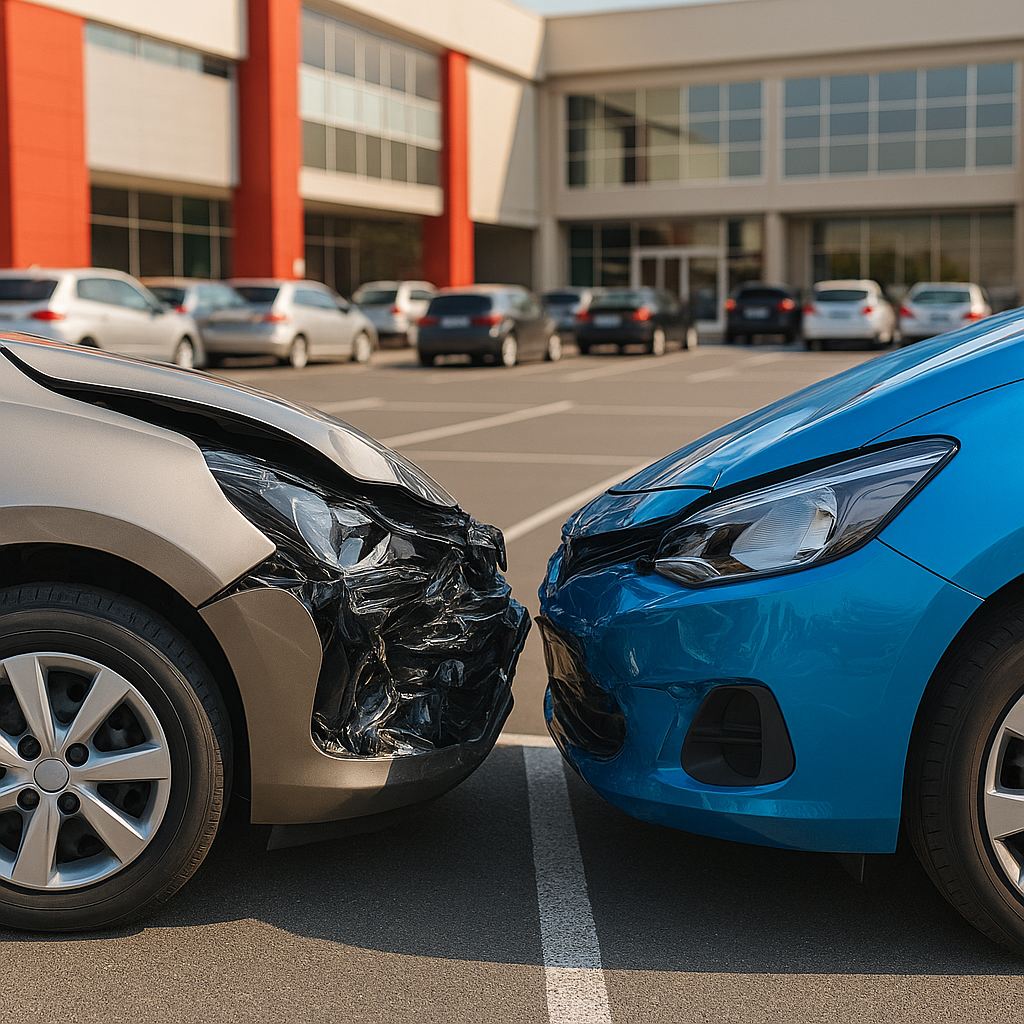
Head-on collisions occur when two vehicles crash front-to-front, usually because one crosses into the opposite lane—often due to unsafe overtaking or loss of control. These are among the most severe road accidents, frequently resulting in serious injuries or fatalities due to the combined impact.
DETERMINING FAULT:
The driver who acted negligently or made a dangerous decision is typically held responsible. Common causes include:
- Unsafe overtaking
- Driving while tired or impaired
- Mobile phone use while driving
- Ignoring road signs or signals
- Driving carelessly in poor weather or road conditions
- Drink or drug driving
Fault is assessed by examining how and where the collision happened, applying road laws, and reviewing available evidence such as witness accounts. Generally, the driver who entered the oncoming lane is likely to be found at fault.
FREQUENTLY ASKED QUESTIONS
COMMON CAR ACCIDENTS: REAR-END COLLISIONS
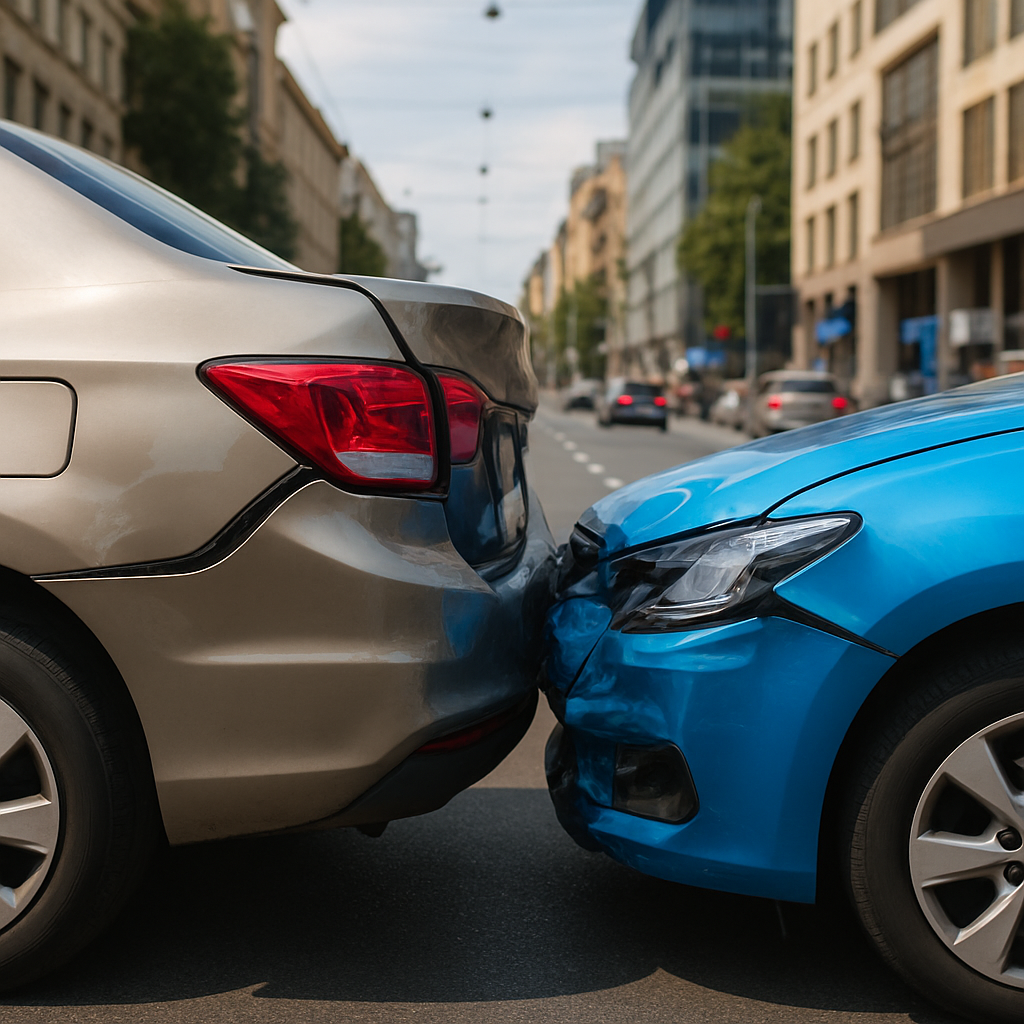
Rear-end collisions occur when one vehicle crashes into the back of another and are among the most frequent road accidents in the UK. The following driver is legally required to maintain a safe distance and drive attentively, while the lead driver must act predictably and safely.
DETERMINING FAULT:
Typically, the driver who hits the vehicle in front is considered at fault for not leaving adequate stopping distance. However, the lead driver may share responsibility if they braked suddenly without cause or stopped dangerously. In such cases, witness accounts and video footage are essential.
COMMON CAUSES:
Rear-end collisions are often caused by:
FREQUENTLY ASKED QUESTIONS
COMMON CAUSES OF CAR PARK ACCIDENTS
Our technicians have undergone the most extensive and stringent car detail training program. And the only car that matters is yours because we will detail it to your complete satisfaction.
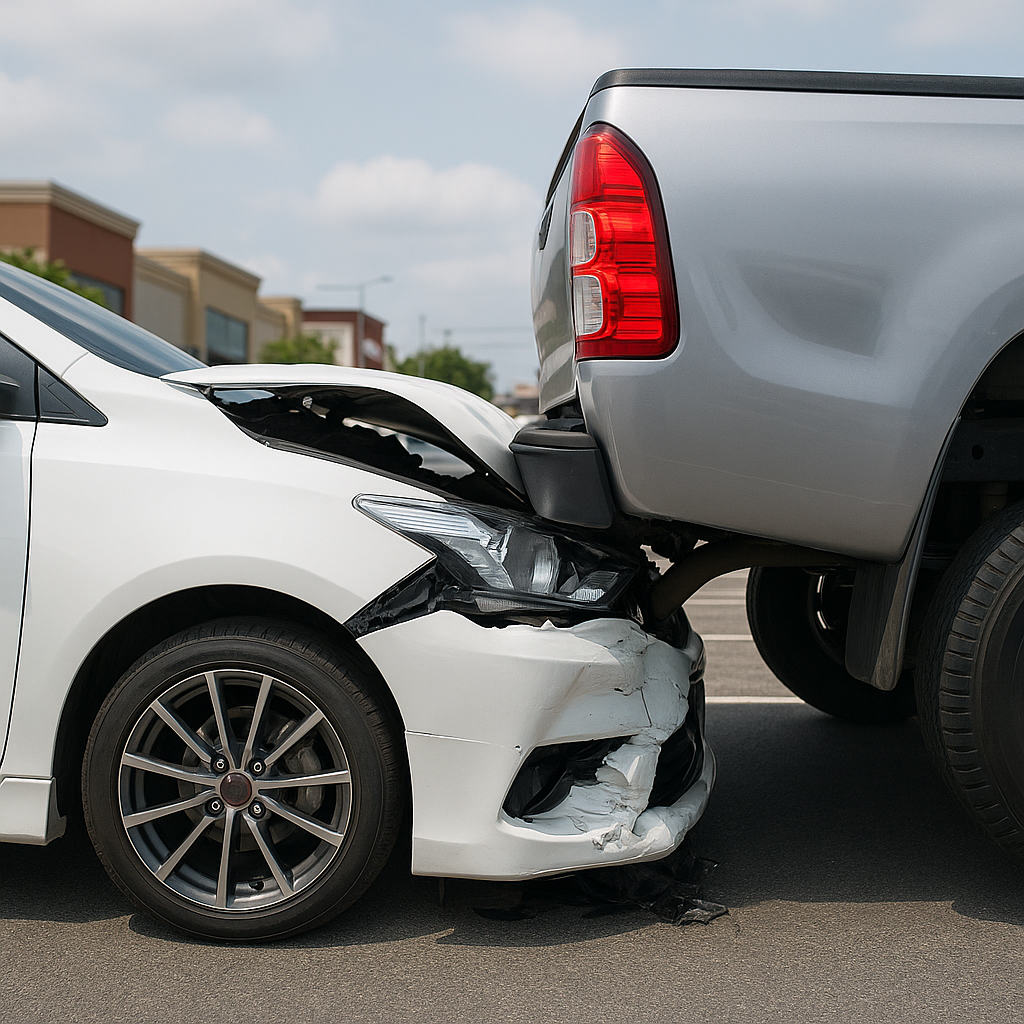
Car parks can be risky due to confined spaces, mixed traffic, and frequent manoeuvres. Common causes of accidents include speeding, poor visibility, distracted driving (e.g. using a phone), and slippery surfaces. Obstacles such as pillars and narrow bays also contribute to collisions.
PREVENTATIVE TIPS:
- Drive slowly and attentively
- Maintain a safe distance
- Observe signage and right of way rules
- Stay alert to both vehicles and pedestrians
DETERMINING FAULT:
Fault is often clear in situations such as:
- A vehicle hitting another from behind
- A driver colliding with a parked car while manoeuvring
However, each case is unique. Key factors include:
FREQUENTLY ASKED QUESTIONS
COMMON CAR ACCIDENTS: REVERSING ACCIDENTS
A reversing car accident occurs when one or more vehicles collide while reversing. These accidents can happen unexpectedly and often involve reduced reaction time or limited visibility due to blind spots or driver inattention.
KEY POINTS:
WE SERVE ANY BRAND AND TYPE OF VEHICLE